Jun 22, 2016

Etymology Expeditions: Strange Shapes

I thought I knew geometry, but here are a few shapes I've never heard of.

First up: gyrobifastigium. It's a Johnson solid consisting of two prisms. What, still confused? Johnson solids are convex (having a curved surface like the exterior of a sphere) polyhedra (solid figures with many plane faces) having regular faces and equal edge lengths. A prism is a solid geometric figure  whose two edges are similar, equal, and parallel rectilinear figures, and whose sides are parallelograms (a four-sided plane rectilinear figure with opposite sides parallel).


That's it right there. The word comes from Latin,  gyro "turn, wheel around" + bi "two"+ fastigium "peak, tip." Prism is also interesting, it comes from Greek prisma "something sawed," from  prizein "to saw."

I bet you'll recognise the next one, even if you didn't know the fancypants word for it. A lemniscate is the twisty thingy we know as the infinity symbol. 

                                  Lemniscate of Gerono.svg

We get the word from Late Latin lemniscus, "a hanging ribbon," from Greek lemniskos "woollen ribbon."

Here's another familiar one. A truncated icosahedron. Yep, the one that looks like a football.
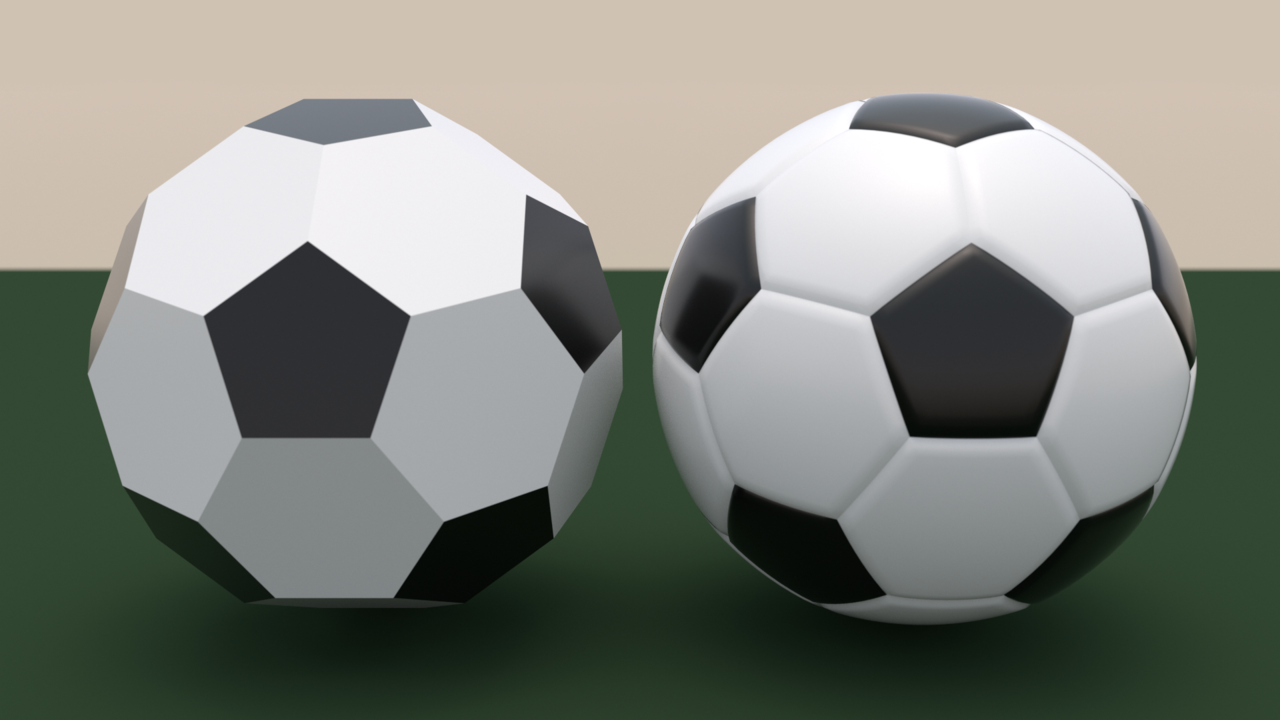

                                  Comparison of truncated icosahedron and soccer ball.png

Truncated is from Latin truncatus "cut off," and icosahedron, from Greek eikosahedron, is just eikosi "twenty" + hedra "seat, base, face of a geometric solid" from PIE root sed-, "to sit."It has twenty hexagonal (six-sided)faces and twelve pentagonal (five-sided) faces. Apparently this is what you get if you take a icosahedron (a solid geometric shape with 20 equilateral triangular faces) and cut off the tips of all 12 vertices so that the stumps are regular pentagons and the  triangular faces become hexagons.


                                                      Icosahedron-wireframe.jpg

Here's a visual aid. Imagine grabbing the blue marble and cutting around it so you get the five-sided black shape on the football. There you go. 

Can you handle one more? Okay, this is a fun one: a triskele or triskelion is a motif consisting of three rotating spirals or human legs extending from the centre of the symbol. 


I put the one with the legs in, because it illustrates the etymology nicely: triskelion is Greek, from tri "three"+ skelos "leg."


Does you brain hurt yet? Okay, okay, I'll stop now. 


Sources:

Images from wikimedia commons

Jun 21, 2016

Loot Crate: Dystopia


Loot Crate time again! The theme this month was dystopia, and this little guy sure looks ready to handle just about any kind of apocalypse. (He's from Fallout, in case the box didn't tip you off.)


                                                             Then we got a Matrix puzzle. 

                                    
                                                                     And a Robocop T-shirt. 


This is my favourite item: a BioShock Infinite blank key. Apparently you can actually cut it to open something, but I'm using it as a keychain for now. 


                          Then there was this T2 metal thingy. Don't quite know what to make of it.


                                                         The pin was pretty cool, though. 


Jun 20, 2016

Science Fiction Classics: Ringworld by Larry Niven


Ringworld(1stEd).jpg
Image from wikipedia.org
                                             

Ringworld is probably Larry Niven's most famous work. It's a mix of adventure story and hard science fiction novel, with interesting aliens and some really cool concepts. The book was published in 1970, and it won the Nebula award that year, and the Hugo and Locus the next.

I enjoyed parts of the novel, but it didn't suck me in, like my favourites do. The Ringworld is a very interesting idea, and I did like the explanation of the Dyson sphere, but the technobabble went on a bit too long for my liking. A lot of the book is just Our Heroes exploring Ringworld and getting in trouble. Mostly it didn't feel that urgent, and I didn't get the feeling they were actually in trouble or stranded until the end. There's a line after the crash about the ship not needing to fly for them to get off Ringworld, and that kind of zapped the excitement for me.

The characters are mostly fun, like the Pierson's Puppeteer Nessus, who's a coward (all Puppeteers are), but is introduced acting extremely reckless and pissing off two kzin, nasty catlike beings with predator ancestors. When he falls back into his normal behaviour, the contrast is hilarious. We find out that he's been suffering from a state of temporary insanity. Apparently any Puppeteer that leaves the safety of their world is considered crazy. Imagine, that other beings only ever meet the insane members of a race. That's an interesting idea.

Nessus recruits the others for the trip to Ringworld. The main character, Louis Wu, is a 200-year-old man, bored with his boosterspice-elongated existence. He's the intelligent adventurer, the person whose eyes we see through. The kzin, Speaker-to-Animals (yeah, that means us), is a lot of fun, and never feels like a trope. The ship names are also hilarious, like the Lying Bastard.

But then we get to the problem: the female characters. The book is over forty years old, so I'll give it some leeway, but this bothered me enough that it interfered with the reading experience. The only woman among the Ringworld explorers, Teela Brown, is naive and stupid, picked because she's lucky. Because she's so lucky, she's never been hurt, and that is used to explain why she is the way she is, almost a child in a woman's body. But then the idea is put forth that she doesn't even have free will, because her luck makes her choices for her. Breeding for luck is an interesting concept, but the execution bothered me. The only other woman is a ship's whore they encounter on Ringworld. Nessus conditions her to fall in line with the tasp, a weapon that stimulates the pleasure centres of the brain. The tasp as a weapon is a cool idea, but, again, this bothered me. And the characters joke many times about Teela being there to sleep with the main character. Add to that a few sentences about every woman possessing a tasp of her own, a rape joke, and the info that the kzin females (and the puppeteer breeders?)  aren't sentient, and I started to feel a bit icky.

So, all in all, neat ideas, but I won't be reading this again. Have any of you read Niven's other novels? Should I try something more recent?


Science fiction classics read: 40/193.

Jun 18, 2016

The Great Moscow State Circus


                  "Emotions" Great Moscow State Circus with Zapashny Brothers
                 
     
Guess what I did this weekend!

Here's some info from the event page:

The Great Moscow State Circus, lead by the Zapashni Brothers, has been voted world's best circus at many international festivals. The Zapashni family has been in the circus business for 90 years and their shows are the world-famous; they've even made the Guiness book of records with some of their stunts. The Emotions tour combines modern and traditional circus into an amazing show that included acrobats, jugglers, magicians, and clowns. This is their first performance in Finland.

I love the circus. My favourite performance in recent years was Cirque Dracula, a Dracula-themed performance in an antique spiegeltent.  It was cozy, atmospheric, and Victorian, with some amazing acts. The Great Moscow State Circus was a different animal; big, flashy, and breathtaking. If you compare it to Cirque du Soleil, it's less surreal and more pure fun.  I think kids would enjoy this more.

My favourite part were the acrobats. They had an amazing act with the teeterboard, which culminated in one of them doing a jump on stilts, and then just one stilt. The wheel of death/wheel of steel act also blew me away. When the performer started jumping rope on the rotating wheel and tripped, I was sure he'd break his neck. The apparatus is called the "Wheel of Death" for a reason!

If you get a chance see them perform, definitely go. This is a world-class show.

Jun 17, 2016

There's a Storm Coming


It's super creepy outside right now. The light's a weird, sickly kind of yellow, and the air feels heavy and thick. 


                                                           That looks even more ominous. 


                      This is probably what the world feels like just before the apocalypse. *shudder*

The Genreblender Writing Competition

In Finnish only, I'm afraid. Here's the info:


Genreblender-kirjoituskilpailu (dl 31.10.2016)

Turun yliopiston tieteiskulttuurikabinetti ry. ja Turun Science Fiction Seura ry. julistavat kaikille avoimen scifi- ja fantasianovellien kirjoituskilpailun otsikolla “Genreblender”. Kilpailussa haetaan tekstejä, jotka yhdistävät kahta erilaista populaarikirjallisuuden lajityyppiä uudeksi ja omaperäiseksi kokonaisuudeksi.

Valittavia lajityyppejä voivat olla esimerkiksi länkkäri, rintama- tai sotakuvaus, romanttinen kirjallisuus, dekkari, vanhanaikainen salapoliisitarina, agenttijännäri, suomalainen tai englantilainen kartanoromantiikka, rillumarei, muu historiallinen fiktio, vampyyritarina, Lovecraft-tyyppinen tai muu yliluonnollinen kauhu, kova scifi, avaruusooppera, aikamatkailu- tai rinnakkaistodellisuustarina, korkea tai matala fantasia, steampunk, kyberpunk tai mikä tahansa muu tunnistettava lajityyppi.

Valittuja genrejä voi olla enemmänkin kuin kaksi, mutta on syytä muistaa että kokonaisuuden tulisi olla luettava ja ymmärrettävä. Myös kirjallisten kunnianosoitusten tekeminen esimerkiksi elokuvan lajityypeille on sallittua, ottaen kuitenkin huomioon tekijänoikeuksien asettamat rajoitukset. Tunnistettava ja suora fanfiction on siis rajattu kisan ulkopuolelle.

Oleellista on, että kahden genren yhdistelmänä syntyy jotain uutta ja omaperäistä, mutta myös se, että lajityypit muodostavat luontevan kokonaisuuden. Mitä odottamattomampi, riemastuttavampi ja raikkaampi yhdistelmä on, sen parempi. Riippumatta valituista genreistä tekstien tulisi sisältää tarinaan loogisesti kytkeytyvä spekulatiivinen elementti, eli sen tulisi olla laskettavissa scifiksi tai fantasiaksi.

Tekstien enimmäispituus on 20 liuskaa (välilyönteineen noin 45 000 merkkiä) ja ne on kirjoitettava suomeksi. Tekstien on oltava tallennettu rtf-muodossa (noin 30 riviä arkilla, riviväli 1,5, fonttikoko 12 pt, marginaalit noin 2 cm). Töiden tulee olla alkuperäisiä ja ennen julkaisemattomia koskien sekä paperi- että verkkojulkaisuja.

Kilpailuun otetaan osaa nimimerkillä. Nimimerkin avulla tekijöiden henkilöllisyys pysyy salassa tuomareilta. Tekijöiden aiemmat ansiot eivät näin pääse vaikuttamaan töiden arvosteluun ja kilpailijat ovat samanarvoisessa asemassa. Kisaan saa osallistua useammalla kuin yhdellä novellilla, mutta kunkin novellin kanssa tulee käyttää eri nimimerkkiä.

Työt on lähetettävä viimeistään 31.10.2016 keskiyöllä osoitteeseen genreblenderkilpailu@gmail.com. Laita sähköpostin otsikoksi nimimerkkisi ja tekstin nimi sekä viestin leipätekstiin yhteystietosi (nimi, osoite, puhelinnumero ja sähköpostiosoite) ja työ sähköpostin liitteeksi.

Kilpailun tuomareina toimivat kirjailija Anni Nupponen, kirjailija Jussi Katajala sekä Pasi Karppanen järjestäjäseurojen edustajana. Kilpailussa on esiraati, joka valikoi tekstit tuomaristolle. Esiraati tai tuomaristo saa hylätä ohjeiden vastaisesti kirjoitetun tekstin. Palkintosumma on 500 euroa, jonka tuomaristo jakaa parhaaksi katsomallaan tavalla.

Tavoitteena on koota voittajatöistä järjestäjätahojen julkaisema antologia. Mikäli töiden määrä ei anna mahdollisuuksia tähän, järjestäjät varaavat mahdollisuuden käyttää niitä Turun Science Fiction Seuran julkaisemassa Spin-lehdessä. Sijoittuneita tekstejä ei saa julkaista muualla ennen päätöstä niiden käytöstä kilpailun jälkeen.

Jun 15, 2016

Etymology Expeditions: Let's Go to the Circus

Up this week, circus-related words.

The word circus is from the late 14th century, a reference to the Roman circus, Latin for "circle, ring." The Romans used them for performances, contests, and horse-racing. The Latin word is preceded by the Greek kirkus. The meaning of "traveling show" is only from 1896. What about Piccadilly Circus? Well, that just means buildings arranged in a ring. This usage is from the early 18th century. Did you know there's also an adjective form, circensian?

Juggler comes from Old English geogelere "magician, conjurer," also from Anglo-French jogleour, where we also get jongleur. The word's origins are in the Latin ioculari "to joke, to jest." Apparently the connection between magic and juggling is dexterity.

The word acrobat is pretty young in English, only from 1825, but its roots also go back to the Greeks.  The English version comes from 14th century French acrobate, from Greek akrobates "rope dancer, gymnastic performer," which is related to akrobatos "going on tip-toe," from akros "topmost" + bainein "walk, go."

Okay, let's bring in the clowns. Clown is from the 1560s, meaning "rustic, boor, peasant." Origin is uncertain, but it might be from Scandinavia, maybe Icelandic klunni "clumsy, boorish fellow," Swedish kluns, Danish klunt"log, block," and North Frisian klönne. The meaning of "professional fool" is from around 1600.

Sources:

http://www.etymonline.com/